Editorial Feature · Port Town Traditions
What Did Fishing Port Elders Know About baking soda - honey gelatin That Modern Kitchens Quietly Forgot?
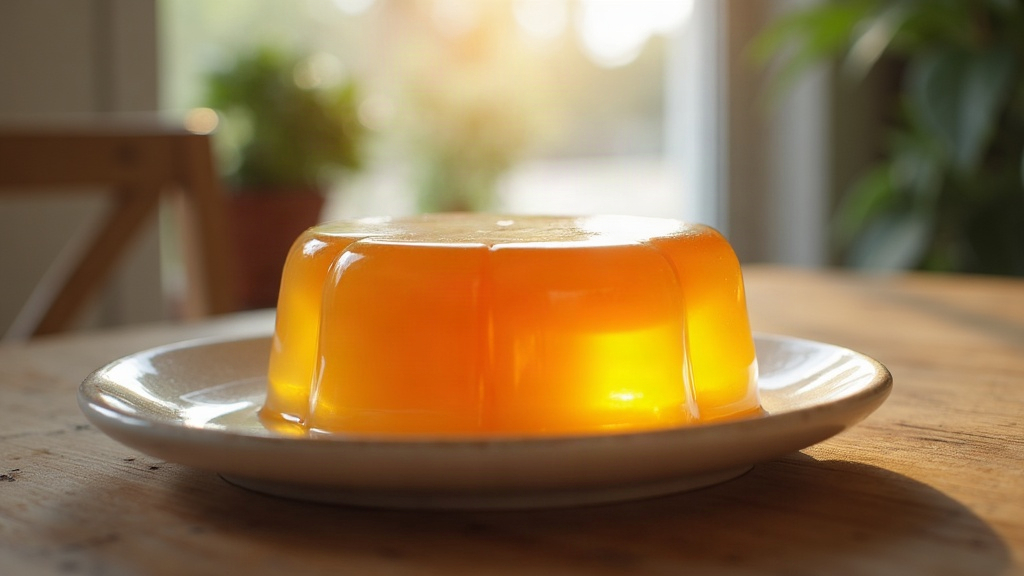
This editorial look at baking soda – honey gelatin traces a coastal ritual that fishermen’s families kept close for generations, long before it drifted into wider curiosity far from the docks where it began.
Why So Many Men Over 50 Feel Their Mornings Have Changed
Why does the same routine that once felt effortless now seem to ask more of a man than it used to? It is rarely one dramatic event. More often it is a slow accumulation of small mornings, each one slightly heavier than the last, until the pattern becomes impossible to ignore.
The Slow Mornings
Getting up and getting going has quietly picked up friction that was not there a decade ago, and most men notice it long before they mention it to anyone.
Restless Nights
Sleep that used to arrive on schedule now feels negotiable, and the fallout shows up the next afternoon in ways that are hard to pin on any single cause.
The Comfort Question
Old habits around food and routine start to feel less reliable, prompting quiet questions about what actually still fits a fifty-plus life.
The Ritual Gap
Many men grew up watching older relatives follow small daily rituals passed down without explanation, and only later wonder what those habits were really for.
Six Signs Worth Paying Attention To
01. Energy That Dips Earlier
A midday slump that arrives sooner than it once did is often dismissed as a busy schedule rather than a pattern worth noting.
02. A Shifting Relationship With Sleep
Falling asleep easily but waking earlier than intended is a common shift many men over 50 describe but rarely discuss.
03. Digestive Rhythm Feels Less Predictable
Meals that once sat comfortably can start to feel heavier, prompting some men to quietly change what and when they eat.
04. Recovery After Activity Takes Longer
Physical effort that used to fade by the next morning can now linger a day or two longer than expected.
05. Mood Swings Tied to Routine Disruption
Skipping a habitual ritual, even a small one, can noticeably affect how the rest of the day feels.
06. A Growing Interest in ‘What Grandfather Did’
Many men in this age group report a renewed curiosity about older, simpler household routines their families once relied on.
Myths vs Facts: What Port Families Actually Believed
Coastal households rarely wrote their routines down, which left plenty of room for stories to drift from what was actually practiced.
Myth: baking soda – honey gelatin was a strict medicinal formula with fixed rules.
Fact: it was a loosely kept household habit, passed on by memory and adjusted household to household, not a documented protocol.
Myth: only fishermen themselves used this kind of ritual.
Fact: accounts describe it as a family habit, often prepared by whoever kept the kitchen that week, regardless of who worked the boats.
Myth: the tradition promised a specific outcome every time.
Fact: it was treated as a small daily custom, valued more for consistency and comfort than for any guaranteed effect.
How the Ritual Was Practiced
Descriptions of the routine vary from household to household, but a loose three-part rhythm shows up again and again in oral accounts.
Step One: A Quiet Morning Pause
Before the day’s work began, a few minutes were set aside, often before the rest of the household woke, to prepare the mixture unhurried.
Step Two: A Simple, Repeated Preparation
The combination itself stayed basic and was rarely measured with precision, treated more as a habit than a recipe to perfect.
Step Three: Woven Into an Existing Routine
It was folded into something already happening, a coffee break or a walk to the docks, rather than treated as a separate task on its own.
A Tradition from the Fishing Docks
In small port towns, mornings began early and asked a great deal of the body before sunrise even fully arrived. Long before modern wellness language existed, families in these communities leaned on plain, inexpensive kitchen staples, prepared in familiar combinations and repeated out of habit more than instruction. baking soda – honey gelatin belongs to that lineage: an unremarkable pairing of pantry items, kept alive not by any written record but by grandmothers, mothers, and neighbors who simply continued what came before them.
What stands out in these accounts is not the ingredients themselves, but the consistency: a small, unhurried ritual repeated daily, in a life otherwise defined by unpredictable tides and long hours.
Reflections From Readers

Illustrative composite examples. Individual results vary. Not a guarantee.
Frequently Asked Questions
It refers to a simple combination of common household staples that some coastal families historically prepared as part of a daily routine. This article discusses it strictly as a cultural and editorial topic.
No. This is an editorial piece exploring the history and tradition behind a household habit, not a product recommendation or sales page.
No. This content is for general informational and historical interest only and makes no claims about health outcomes of any kind.
Many of the oral histories and family accounts referenced in this piece were passed down through households where older men were the primary audience for these daily rituals.
This article does not present or reference formal scientific research. It focuses on tradition, oral history, and cultural context.
Any decisions about diet, supplements, or daily habits should be discussed with a qualified healthcare professional familiar with your individual situation.
The full editorial piece linked from this page goes into greater depth on the history, regional variations, and family accounts referenced here.
Continue Reading the Full Editorial Report
There is more to this coastal tradition than a single page can hold. The full report goes deeper into the history, the families who kept it alive, and how it quietly resurfaced generations later.
Advertising Disclosure: This page contains sponsored content and affiliate links. We may receive compensation if you click on or make purchases through links on this page. This does not affect the price you pay.
Content Disclaimer: This content is for educational and informational purposes only. It has not been evaluated by the FDA. It is not intended to diagnose, treat, cure, or prevent any disease. Always consult a qualified healthcare professional before making changes to your diet, routine, or lifestyle.
Results Disclaimer: Individual results vary. Testimonials and examples shared on this page are illustrative and are not a guarantee of any specific outcome.
© 2026 · All Rights Reserved · /contact/